The Fairlight CMI: Your Most Frequently Asked Questions, Answered
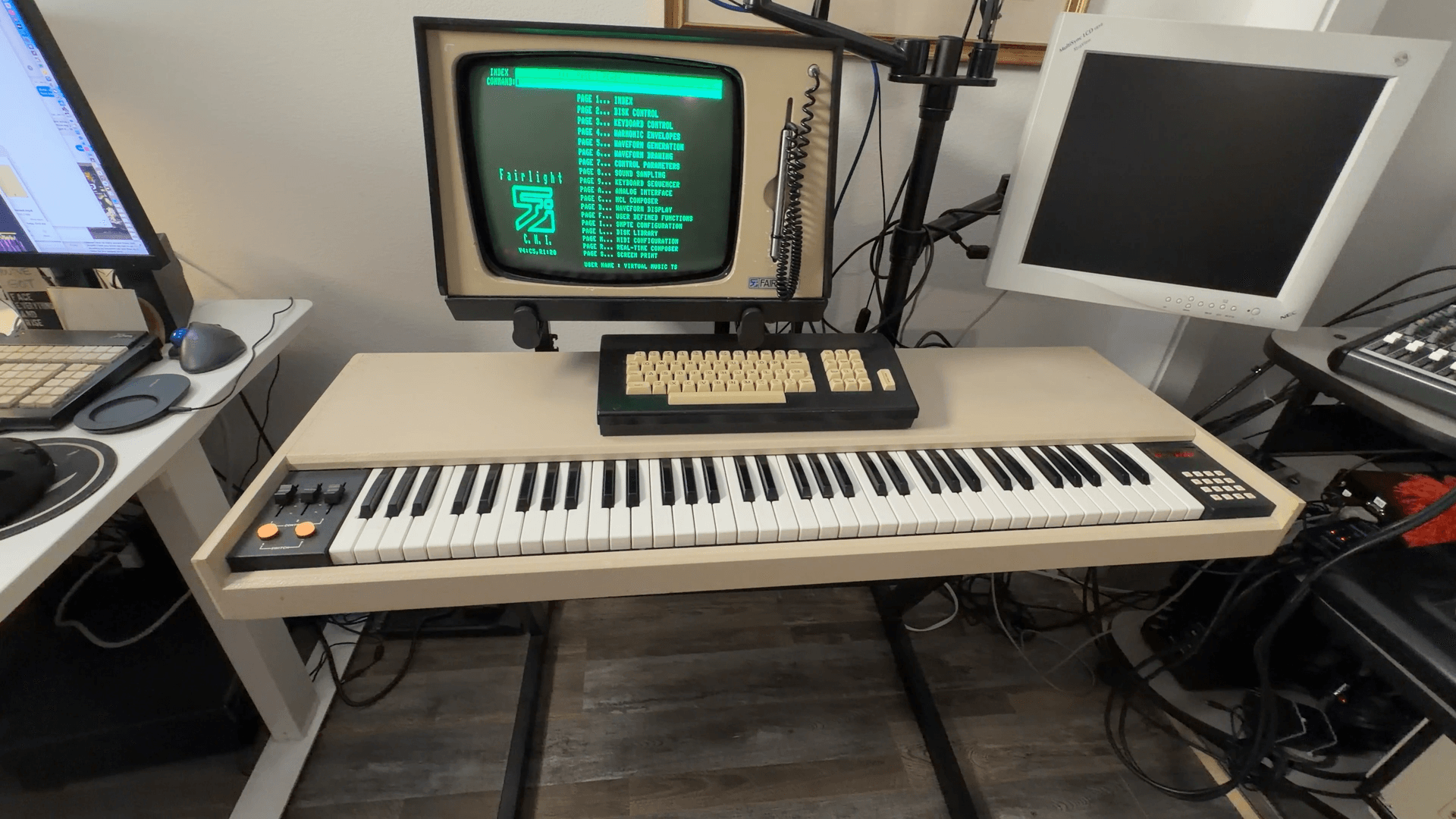
The Fairlight CMI: Your Most Frequently Asked Questions, Answered
Part one of a Doctor Mix mini-series on the Fairlight CMI. Featuring Cris Blyth — Hollywood visual-effects veteran, synth restorer, and possibly the most knowledgeable Fairlight expert working today.
There are synthesizers, and then there is the Fairlight CMI.
If you've ever wondered why this strange, cream-coloured box with a glowing green screen is spoken about in almost mythical terms — why it appears on what feels like every record of the 1980s, why it cost about as much as two apartments, and why collectors still chase it four decades later — you're in the right place.
This started simply enough. I went to Los Angeles and asked my friend Cris Blyth everything he knows about these machines, because he has five of them. Cris has directed and supervised visual effects for Disney, EA Sports and Apple, but he is also one of the few people on earth who actually restores Fairlights and documents the painstaking process on his YouTube channel.
Then we kept filming. Along the way, Freshwater Instruments in Australia opened their archive to us — which is where every document and photograph in this article comes from. There is more to that story, but not yet.
So this is part one. Across the rest of the series you'll see Fairlight documents and photographs that have never been public — original scans, originals, the lot. Subscribe to the channel so you don't miss an episode, and keep an eye on this page: we'll be putting the high-resolution versions here to download.
We structured this first conversation around the questions people most often type into Google about the Fairlight. So here they are, answered properly.
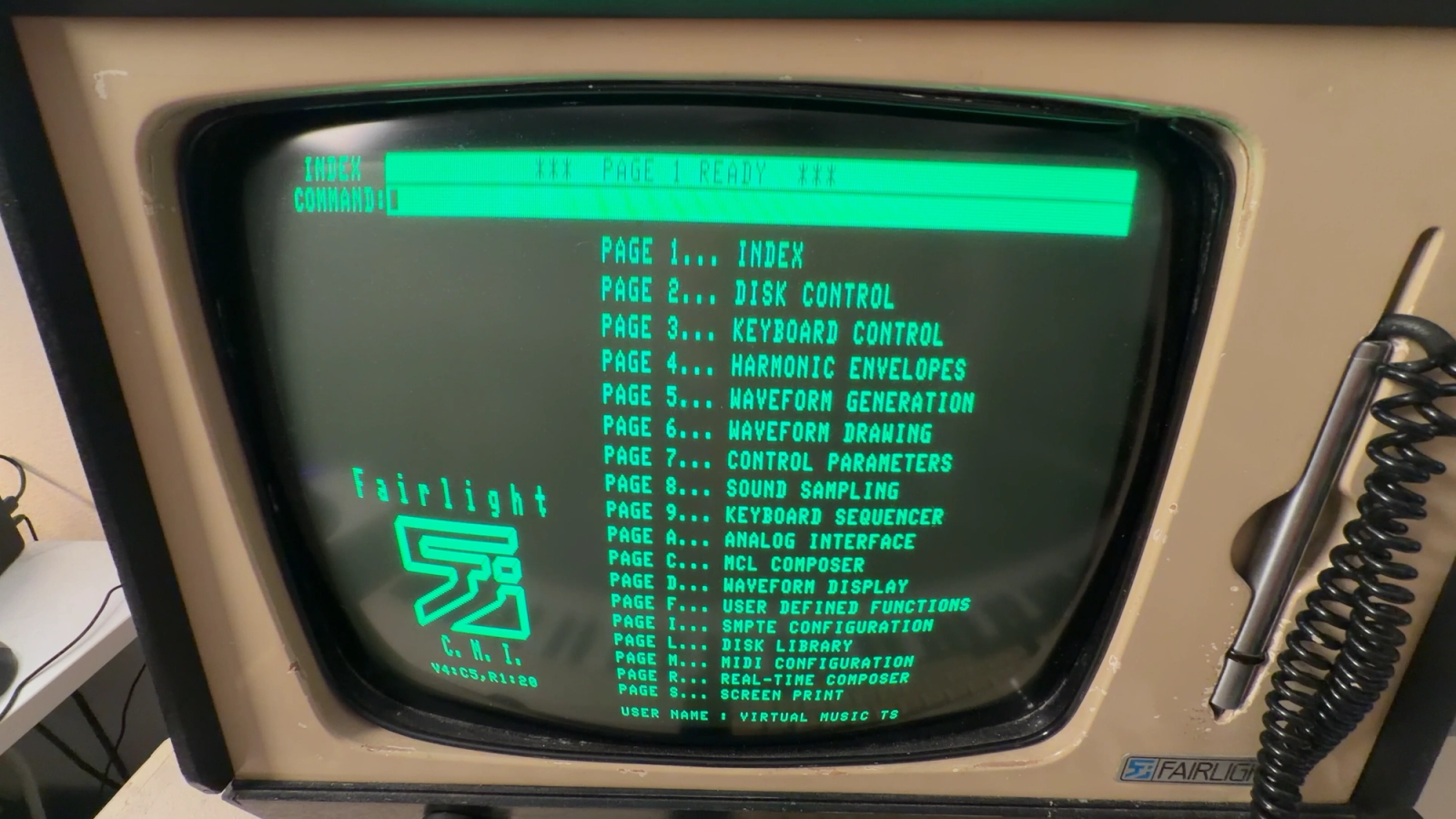
1. What is a Fairlight CMI, and why is it one of the most important instruments ever built?
In Cris's words: it was the first commercially available sampler. But that undersells it.
The Fairlight CMI (Computer Musical Instrument) was a pile of firsts stacked into one box. It was the first screen-based sequencer — the grandfather of every sequencer that came after it. It was, in effect, the first digital audio workstation, letting you sequence, sample and shape sounds all in a single machine. We take that idea completely for granted today. In 1979, nobody had even conceived of it.
So when people call it "the first DAW," they're not exaggerating for effect. This really is where the lineage begins.
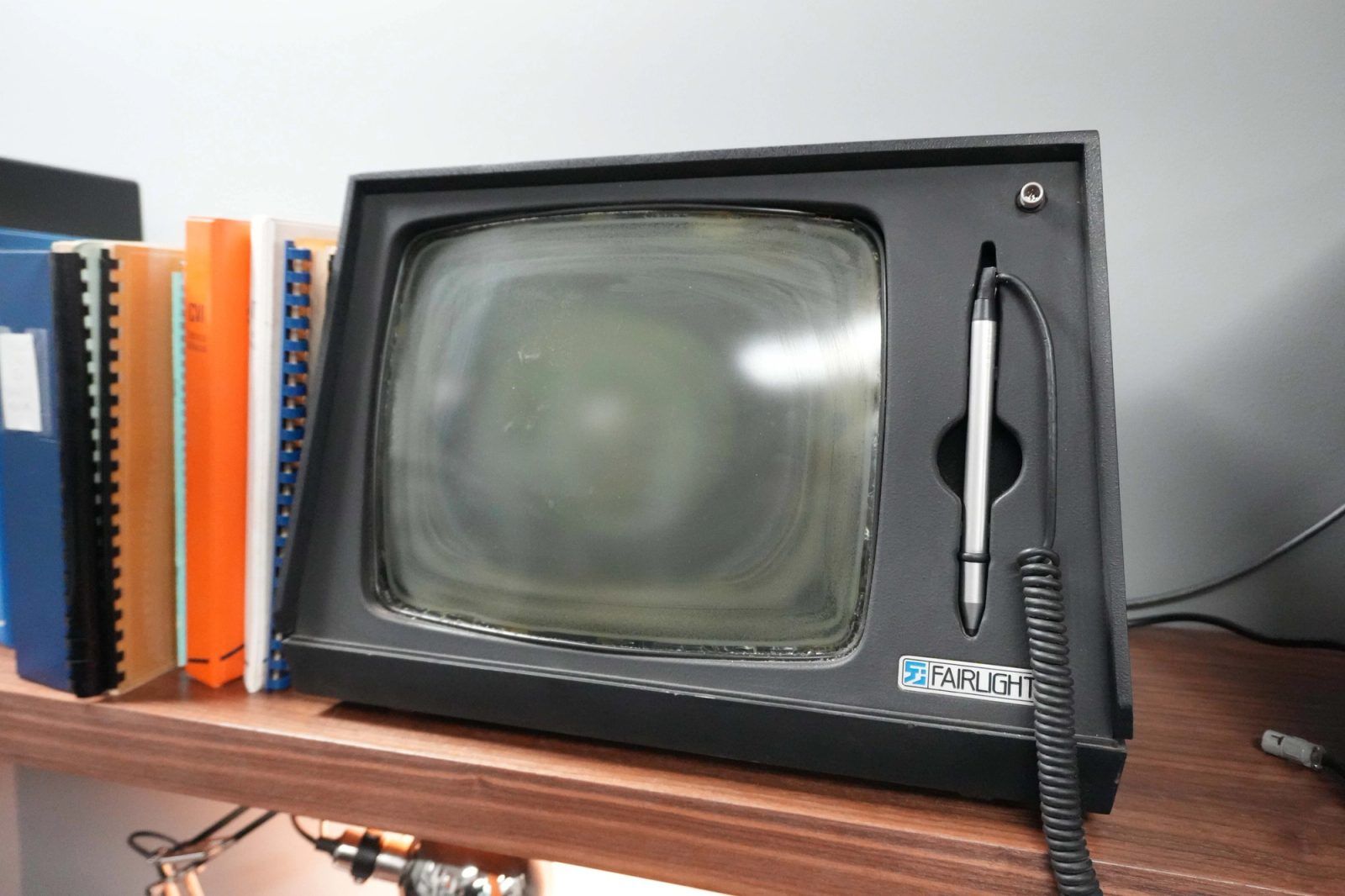
And remember what 1979 means: this is before the mouse. You pointed at the screen with a light pen and drew waveforms with it.
2. Who invented the Fairlight, and what problem was it trying to solve?
It's a more complex story than most people realise. The machine is most associated with Kim Ryrie and Peter Vogel, who developed it, but it grew out of an original idea by a brilliant engineer named Tony Furse.
Here's the twist: they weren't actually trying to invent sampling. They were trying to solve a synthesis problem. They wanted to create organic, authentic, human-sounding tones rather than the obviously electronic sounds every other synth produced. To do that, they began researching how sounds are actually constructed — what's really happening inside all those harmonics.
That research into real-world sound is what led, almost by accident, to sampling. They were chasing realism, and sampling was the road that got them there.
And yes — all of this happened in Australia.
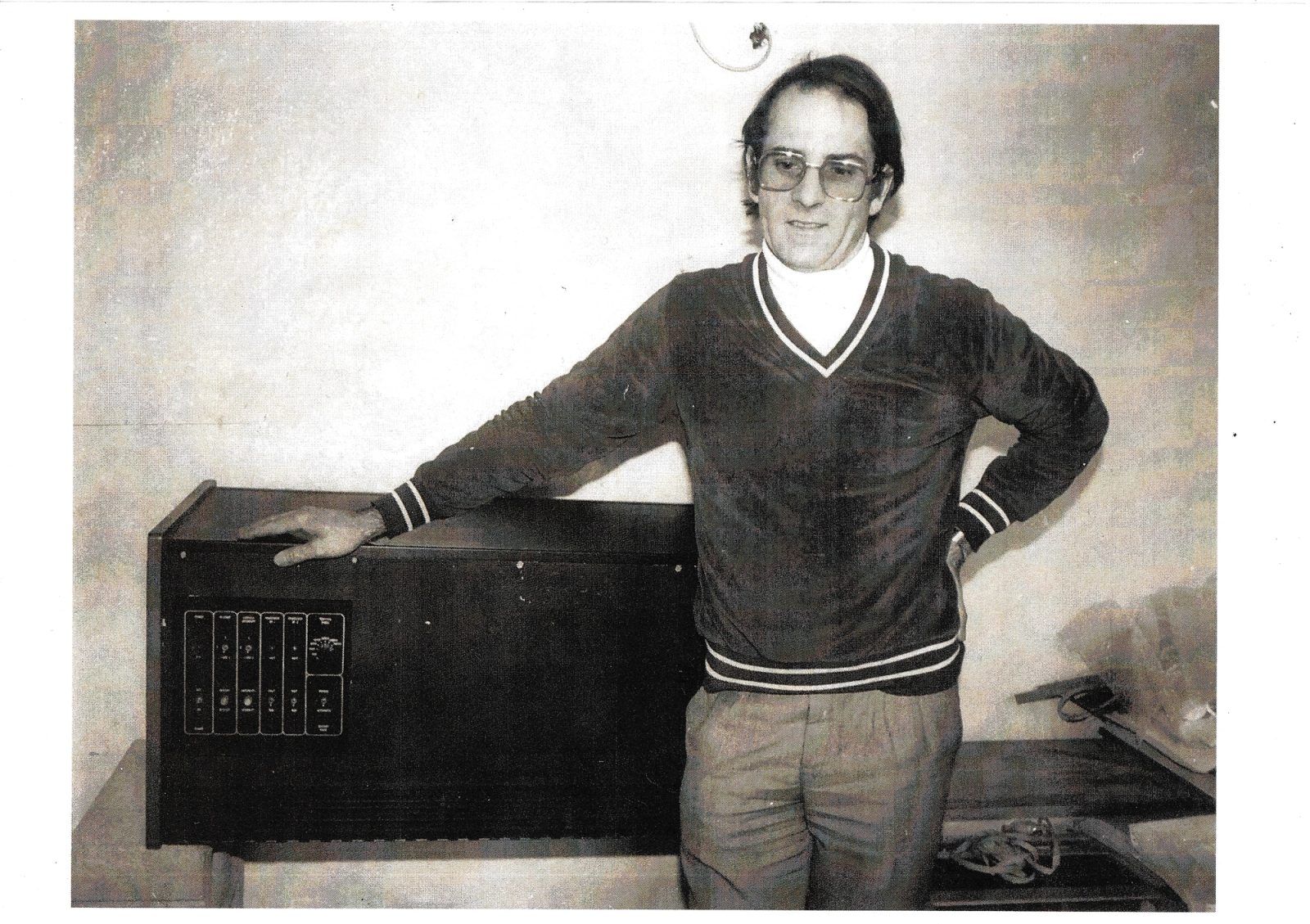
This is Furse. He is the least photographed of the three, and the one whose name most people leave out.
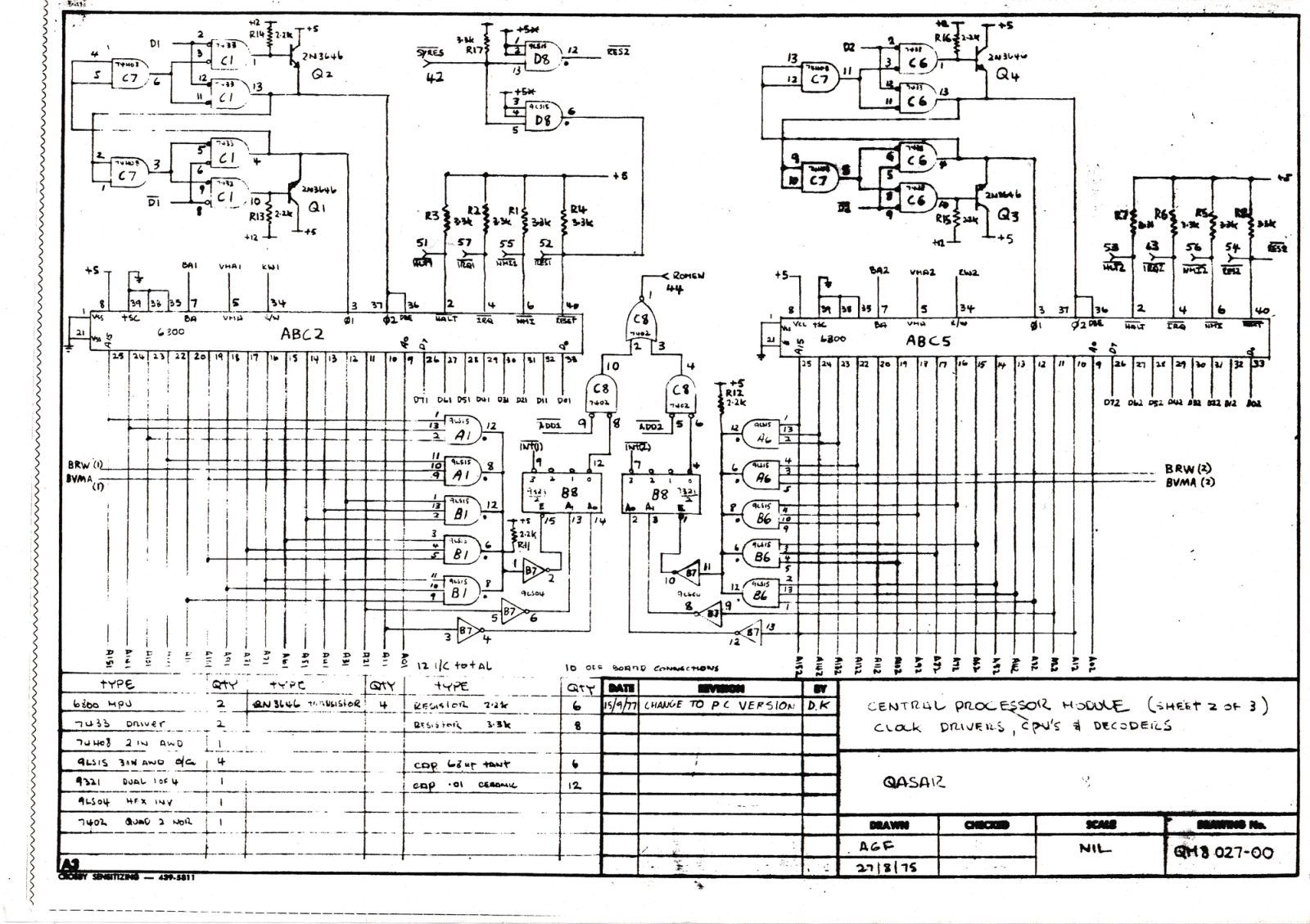
The paper trail survives, in the archive at Freshwater Instruments — who opened it up for this series. The schematic below is from the QASAR, Furse's machine, and it is dated August 1975: four years before the CMI reached the public. Look at what the title block says — central processor module, clock drivers, CPUs, plural. The dual-processor idea that made the Fairlight possible was already on the drawing board.
3. How did they afford to build it? The word-processor story
Here's a story that gets told the wrong way round almost everywhere.
The received version is that Fairlight moved into word processors at the end, once the instrument business was winding down. Cris says it's backwards — and he has it on video from the man who actually did it, filmed while he was in Australia. The word-processing business came first, and it funded the synthesizer.
Which explains the strangest detail on an early machine. Those first Series units shipped with an extended keyboard that isn't a musician's keyboard at all — it's a word-processing keyboard. Every key on it was engraved on a machine and filled in by hand with paint. You couldn't go out and buy a keyboard in 1979, so they built one, then worked out how to get the right chipset to talk RS-232 down to the machine and mix with the rest of the signals.
4. Is the company still around?
Sort of. The Fairlight company went through many forms. After it moved away from sampling instruments, it pivoted into multi-channel recording, and eventually built the Fairlight EVO — a genuinely stunning mixing and editing console with an incredible workflow. That side of the business was ultimately bought by Blackmagic Design.
The original instrument side — the CMI as a musical instrument — isn't being pursued by those companies anymore. But here's the exciting part: as of this year, other companies are stepping in to fill that gap with new hardware.
One of them is Freshwater Instruments, in Australia. Which is exactly where this series is heading. The Fairlight idea isn't dead — it's being rebuilt.
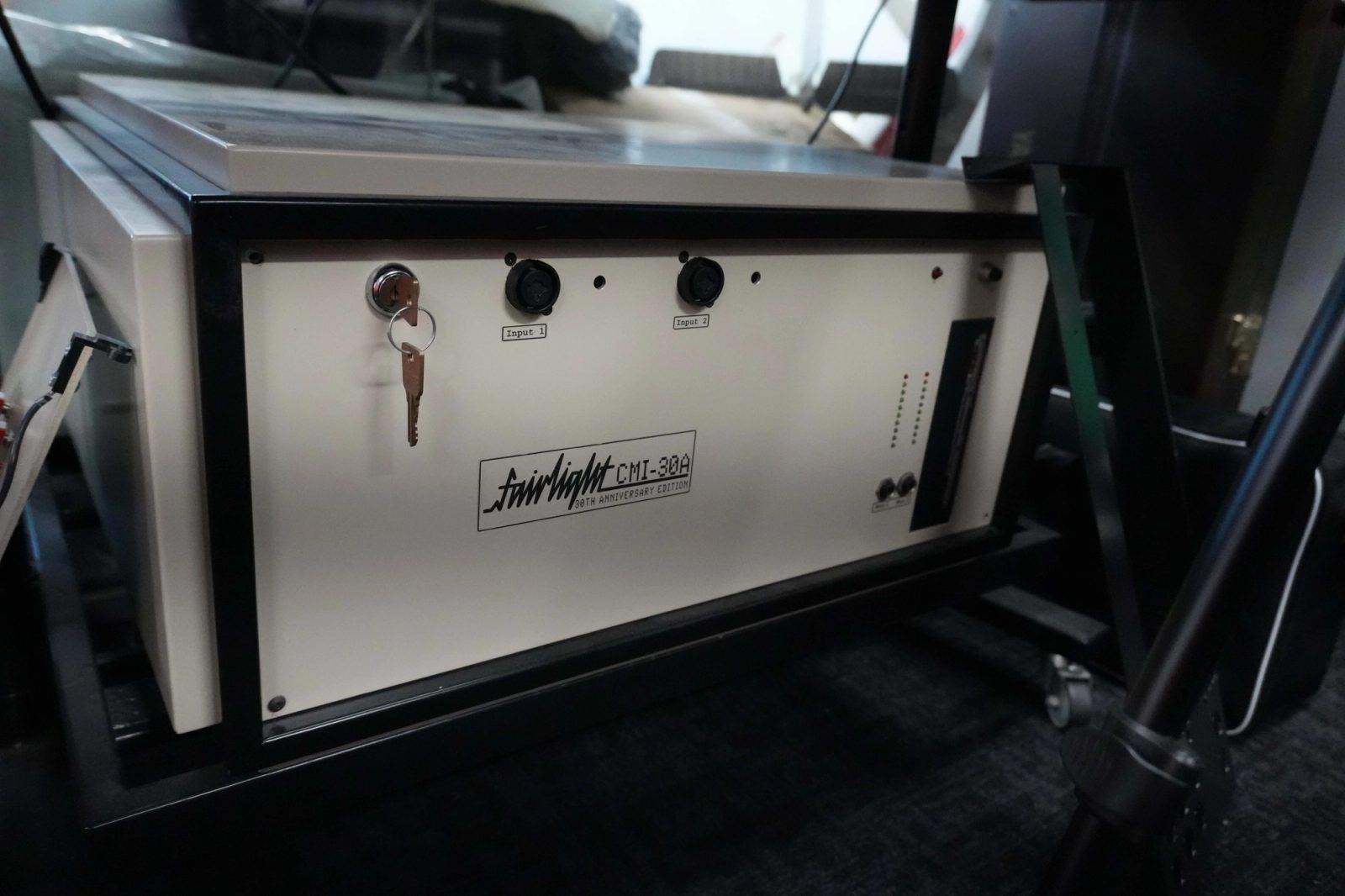
5. Why was the Fairlight so revolutionary compared to other synths of its time?
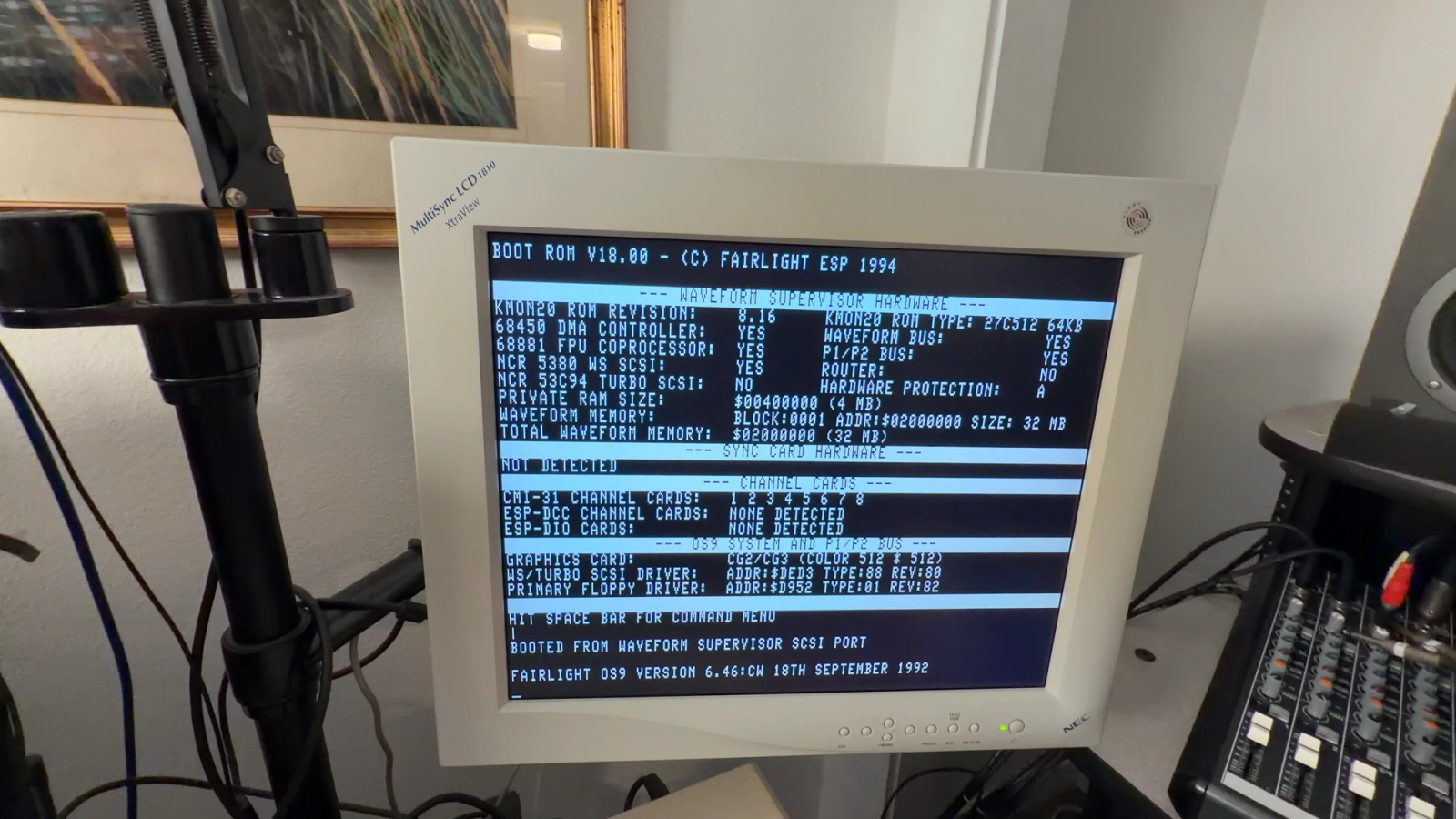
At the end of the 1970s, almost everyone was doing subtractive or additive synthesis. There were a few early FM machines like the Synclavier. But the Fairlight was genuinely more than the sum of its parts.
Consider what was crammed into one machine:
- A light pen you could use to literally draw waveforms on the screen — years before the mouse was common.
- A screen-based interface at a time when that simply didn't exist for musicians.
- A dual-CPU architecture — the first machine to work this way, Cris reckons.
- And on top of all that, it was a sampler, when most people hadn't even encountered the concept.
Merge all of those innovations at a single point in history and you get something that felt less like a product and more like magic. It became this mysterious, expensive, almost mythical box — made all the more mysterious by how few of them existed.
6. What's actually inside one?
Cris opens the lid, and this is where it stops being a synthesizer and starts being a small data centre.
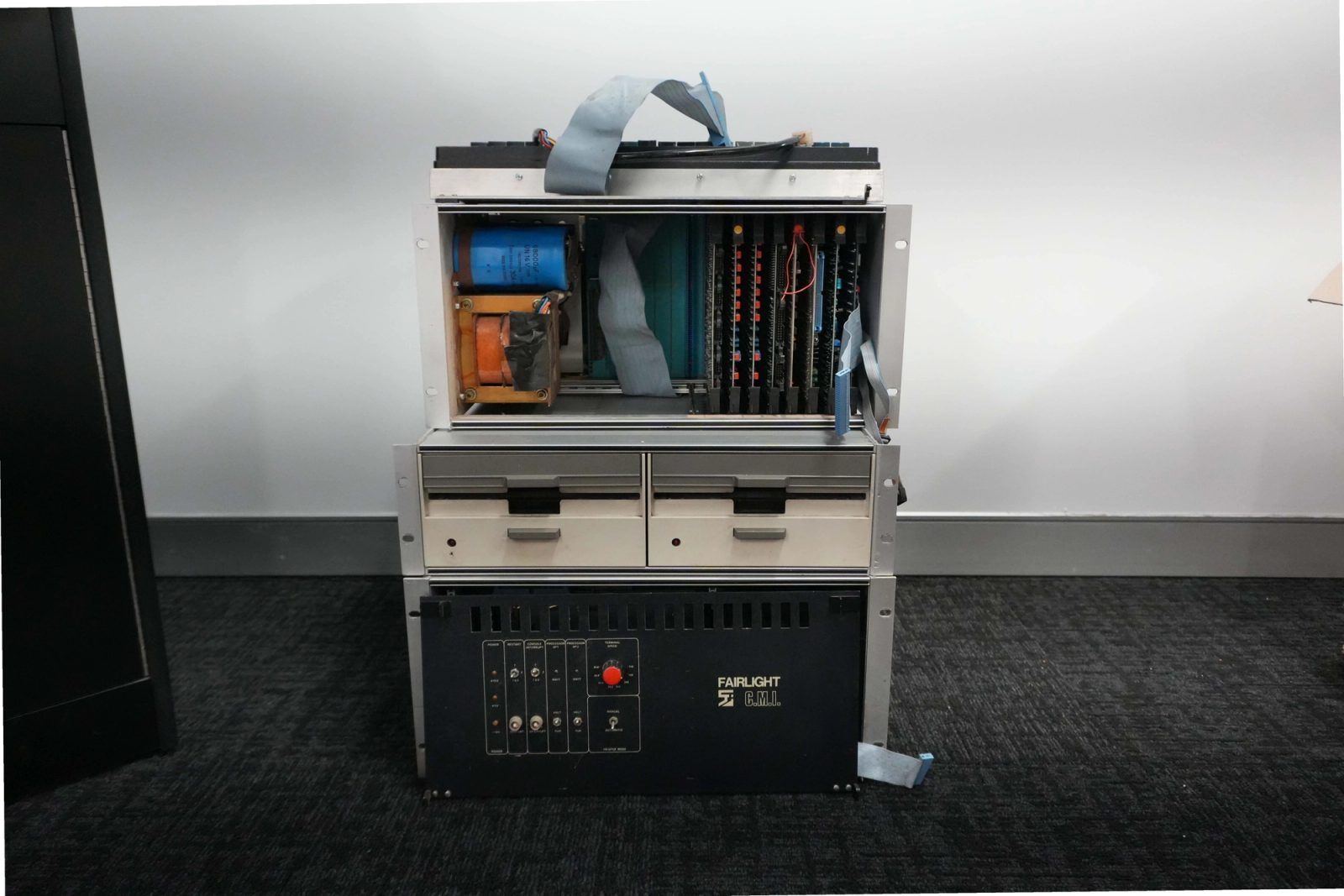
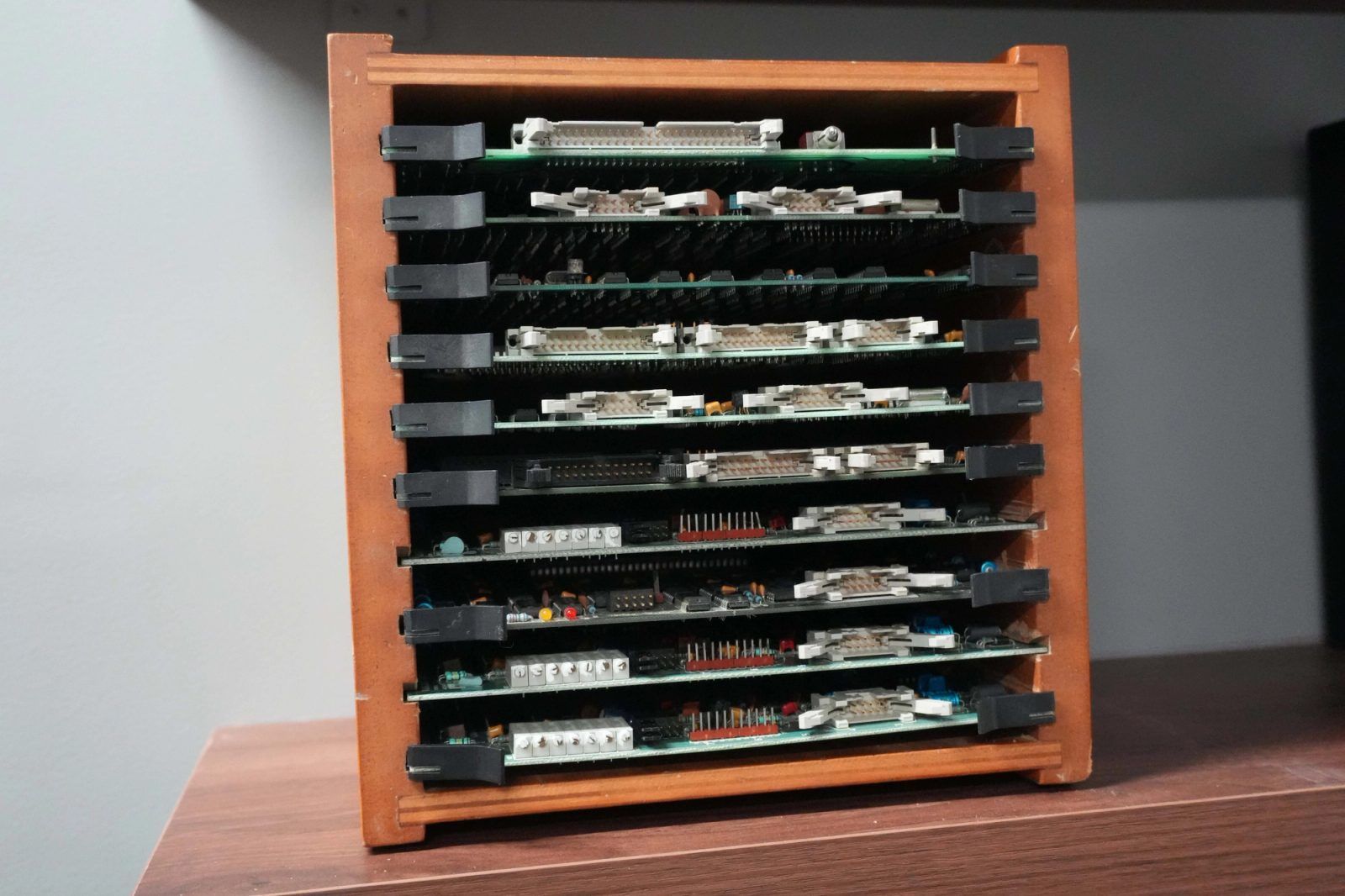
Each of those cards is a voice card, and each one is effectively its own computer — its own processor, its own ROM, its own little pool of RAM. They boot and start working individually, then report back. A Series II plays eight voices at once, which means eight small computers running in parallel. Alongside them sit the main CPU card, a card for the graphics and the light pen, a card that controls the floppy drive, and a small amount of RAM so the machine can actually run.
The two main processors split the load. Cris simplifies it like this: picture 360 degrees — one processor takes 180 of them, the other takes the rest. On top of that, every voice card is doing its own thinking while drawing from the same shared pool of memory, without what we'd now call a DMA controller. For 1979, that was close to science fiction.
Then there are the 8-inch floppy drives, which were designed to sit there spinning all day. The real problem was people leaving disks in for years. Cris has seen floppies worn almost clear — still clinging to some of their magnetic properties, but barely. The owner would decide the Fairlight was broken. Usually all it needed was a clean drive and a fresh disk.
A lot of people now replace the drives with SD cards. Cris keeps the famous disks out of the machine entirely, so they don't wear down.
7. How does the Fairlight actually work as a sampling instrument?
There were several ways to use it. You could work hands-on in the studio with the light pen. Or — cleverly, for touring — you could load sounds straight from floppy disk without even needing the keyboard, recalling each voice by a simple number. There's also an index page that lists the disc library, so you could browse what was on a disk, decide you wanted the bassoon, and load it by number.
In the interview, Cris loads up the legendary "ARR1" sample (the one often nicknamed "Sarah") just by pointing the light pen at the screen and clicking. The machine clunks and whirs, and out comes that unmistakable sound.
And it genuinely sounds different on a real Fairlight. Why? Partly there's a filter that tracks with the keyboard. But the bigger secret is in how it changes pitch. Rather than simply shifting the frequency up and down as a modern sampler does, the Fairlight effectively slows the voice card down to play sounds back at different speeds. That quirk — born of low sample rates and the technology of the day — is a big part of the famous Fairlight "crunch."
You could also do something extraordinary for 1979: place one waveform at one end, another at the other, and have the machine morph between them — a transformation across the sound. There is a Fast Fourier Transform page where you watch the waveform itself change, and a harmonic-envelope page where you draw a curve for the first harmonic, draw another for the thirty-second, switch interpolation on, hit compute, and let the machine work out everything in between. With a light pen. In 1979.
Two details that date the machine beautifully. There is no Delete key — look closely and it says RUB OUT. And if you type something it doesn't understand, Page R answers "syntax error", while page one just fires back a question mark. You can imagine the tone.
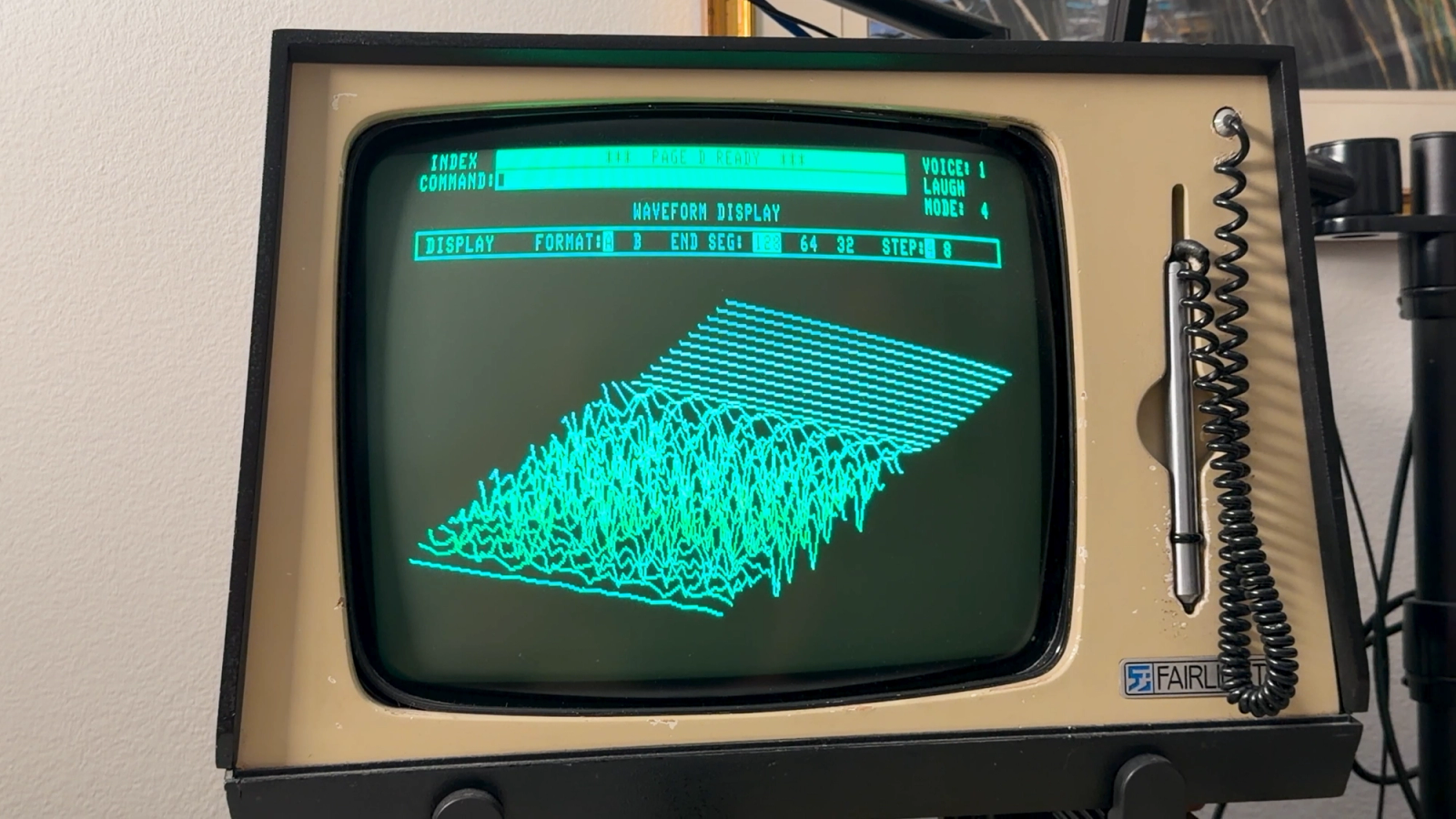
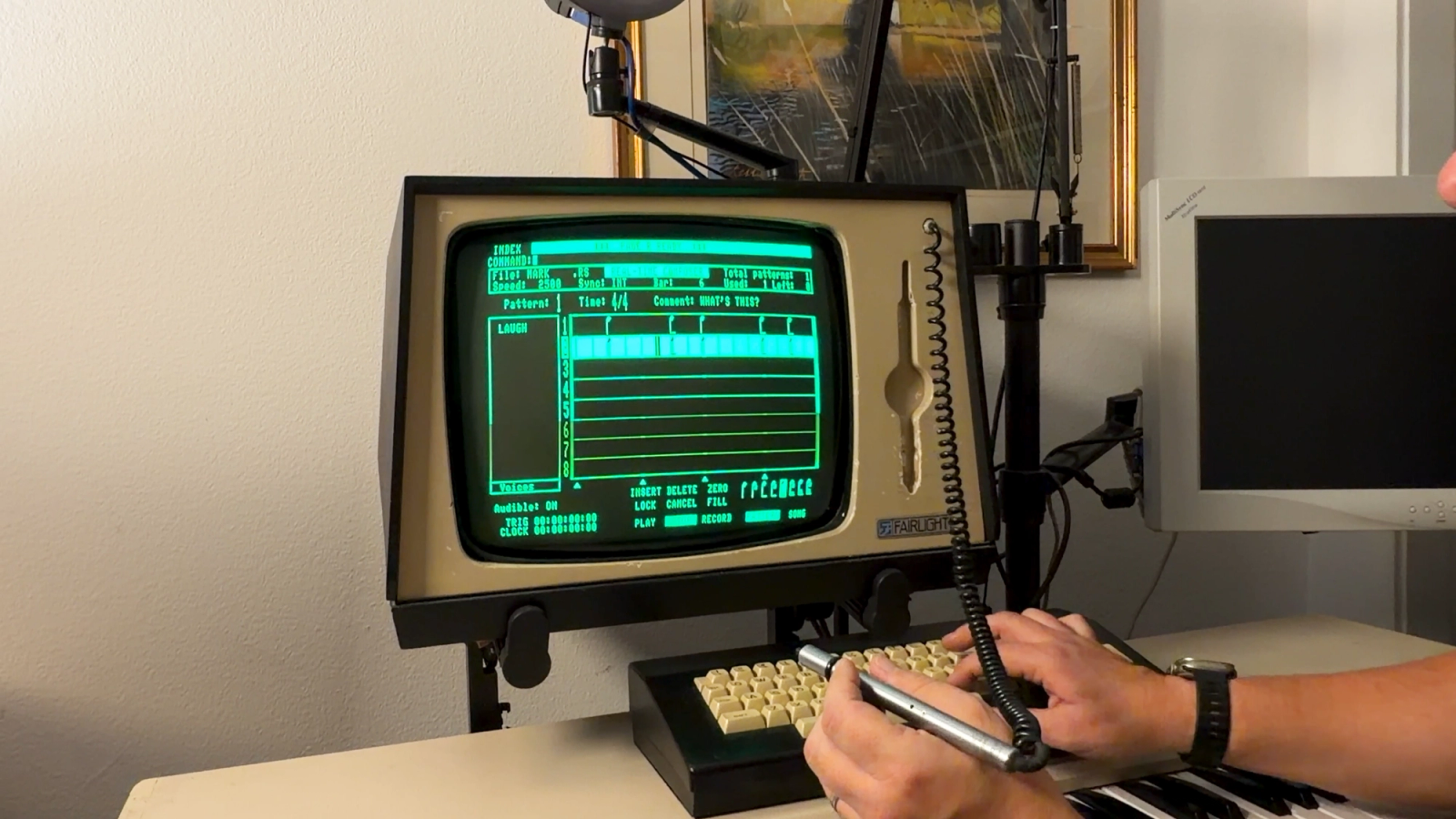
8. What is "Page R," and why does the internet keep raving about it?
Page R is the part of the Fairlight that the whole internet seems to love — and its story is wonderful.
It wasn't even designed to be a music sequencer. "Page R" stood for rhythm — it was meant for programming drum patterns, and in the early days it was literally called the rhythm composer. Serious composition was supposed to happen elsewhere: MCL, the Music Composition Language, was a text-based composer where you typed your notes in, with a separate real-time sequencer alongside it. The Synclavier had something comparable, though Cris describes that one as more like a tape recorder. But, much like Fortnite players discovering that building was more fun than the shooting, Page R turned into something its designers never intended. Musicians took this little rhythm tool and turned it into a full pattern-based composition powerhouse.
The workflow will feel instantly familiar to anyone who programmed a Roland drum machine or a Korg M1: you build short patterns, name them A, B, C, D, and then chain them into a song — verse, verse, bridge, chorus — telling each section how many times to repeat. Cris demonstrates editing a pattern live: stepping through notes with the light pen, deleting, inserting, zeroing out a track, filling in a four-note beat, layering a snare on top of a kick.
Because the machines came with two keyboards, you could also map the loaded voices — those A, B, C, D, E and F registers — across the keys, deciding which section of the keyboard played which sample. That's how you'd set one up for live performance.
The astonishing part? This is all running on a one-megahertz machine, off a single floppy drive, with no hard disk. The operating system, the program, the sounds — all one tightly woven thing. This is exactly the kind of pattern-chaining workflow we'd see Herbie Hancock and Quincy Jones using on screen with that famous light pen.
By the Series III, Page R had grown into the Real Time Sequencer: sixteen tracks, graphic note events, locked to SMPTE timecode. The bones are still recognisable, and the brochure page that shows it off is in the archive download.
9. What are the most famous Fairlight sounds — and who used them?
This is where the Fairlight's cultural footprint becomes almost absurd. As Cris puts it, it's easier to list what isn't on a Fairlight.
A few highlights from our listening session:
- The orchestra hit — sampled from a Stravinsky recording, and arguably the single most consequential sample ever taken. Afrika Bambaataa put it on record and helped start hip-hop with it, and it has turned up on countless records since. (Lovely footnote: Stravinsky reportedly grew to dislike the opening of his own Firebird because he thought it had become too commercial. Decades later it became one of the most-sampled sounds in music history.)
- Art of Noise — Trevor Horn's productions are practically a Fairlight showcase, including that famous stuttering vocal hit.
- Yes — "Owner of a Lonely Heart" — those stabs and noises.
- Duran Duran — "Girls on Film."
- The Terminator 2 sound — made from a patch called "Brass Fall," played way down low.
- Hans Zimmer favourites: complex multi-samples spread across the keyboard, with drawn function curves that blend from one sample to another depending on how hard you play.
- Propaganda, who leaned on it heavily — including the patch Cris plays that turns up on "What Is Love".
- And a gorgeous pad Cris thinks may be a Twin Peaks sound — though he's careful to say he isn't sure.
One thing you'll hear in the video: the voices aren't perfectly matched in volume. That's not the machine misbehaving. Cris had just got two voice cards back from Peter in Australia and dropped them in before we arrived, so they were running louder than the rest. Matching them up is roughly three hours with an oscilloscope.
Once you start listening for it, you hear the Fairlight everywhere in the 1980s.
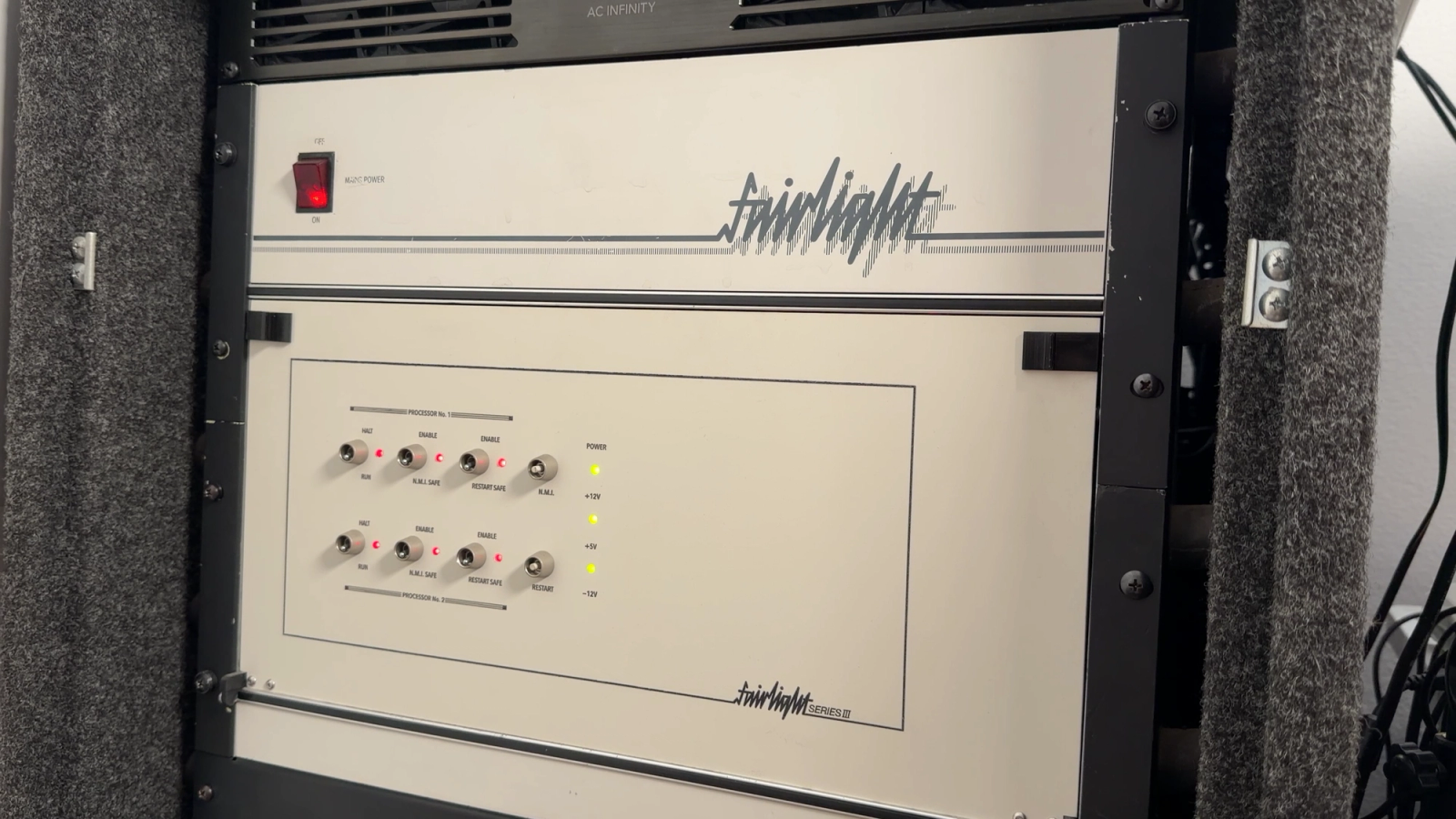
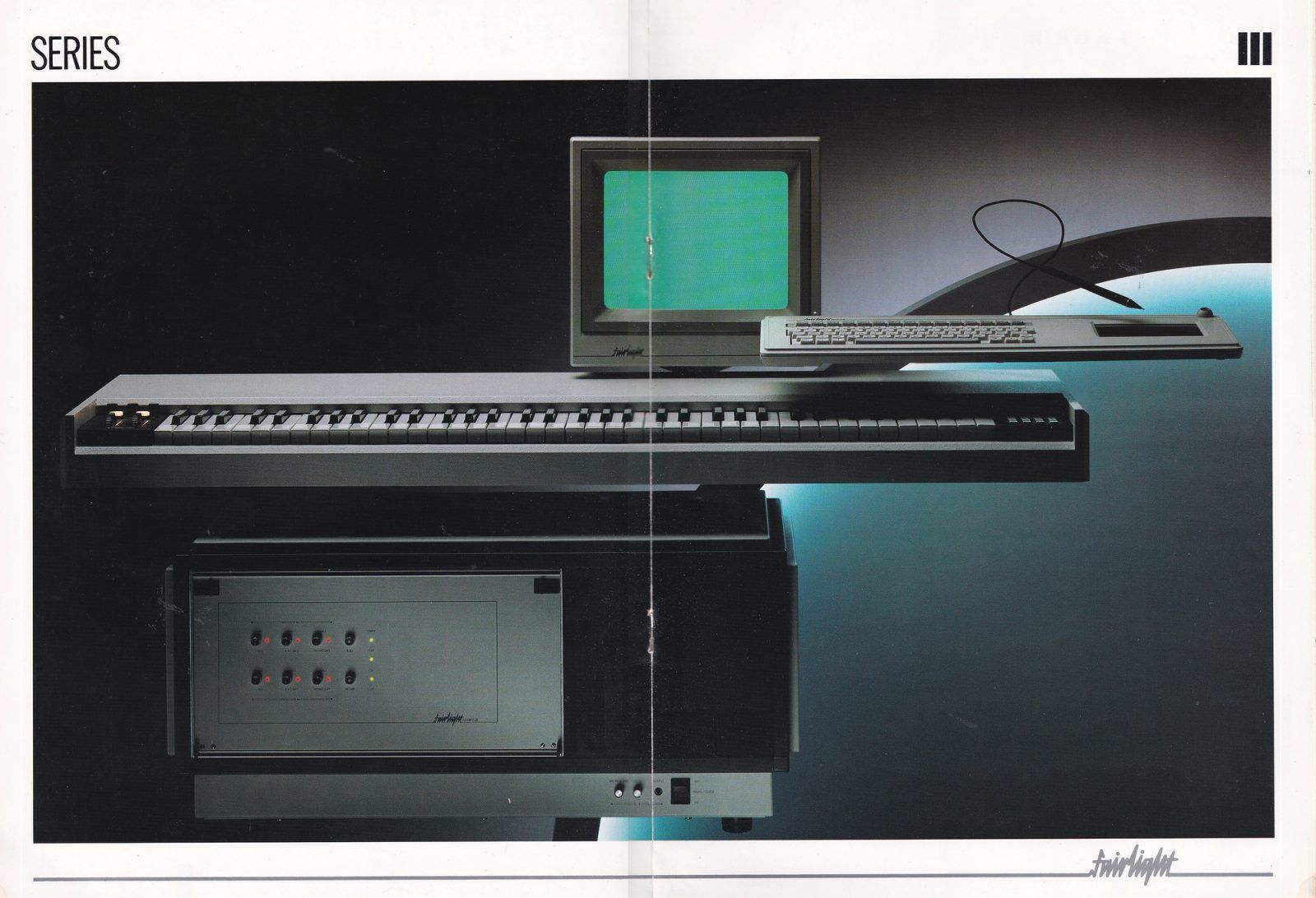
10. What's the difference between the Series I, II, IIx and III?
A quick tour through the family tree:
- Series I (1979): The original. Notable for its extended, word-processor-style keyboard — the clue to the founding story in Question 3.
- Series II: An upgrade over the I, with better fidelity straight away. Eight voices, light pen, 8-inch floppy drives. Each voice lived on its own card — essentially a small computer in its own right.
- Series IIx: A substantial revision adding MIDI and much improved filters. Crucially, updates back then weren't software downloads — you often physically sent your machine back, and engineers would literally lift a leg off a chip and wire it to something else by hand.
- Series III (mid-80s): A big leap. 16-bit sound, 50kHz stereo sampling — 100kHz if you worked in mono — sixteen voices and sixteen channels as standard, and stereo playback. More powerful, though Cris notes it was very slightly slower to fly around in than the nimble Series II, simply because it was handling so much more.
We can be precise about the Series III, because the spec sheet is sitting in the archive. Twelve microprocessors — ten 6809s and two 68000s. Up to fourteen megabytes of waveform RAM across sixteen channels, which bought you a little over two minutes of sampling at 50kHz. Sixteen voices as standard, expandable to eighty through external voice racks. An 8-inch floppy holding a megabyte, and a 60 or 110MB Winchester hard disk.
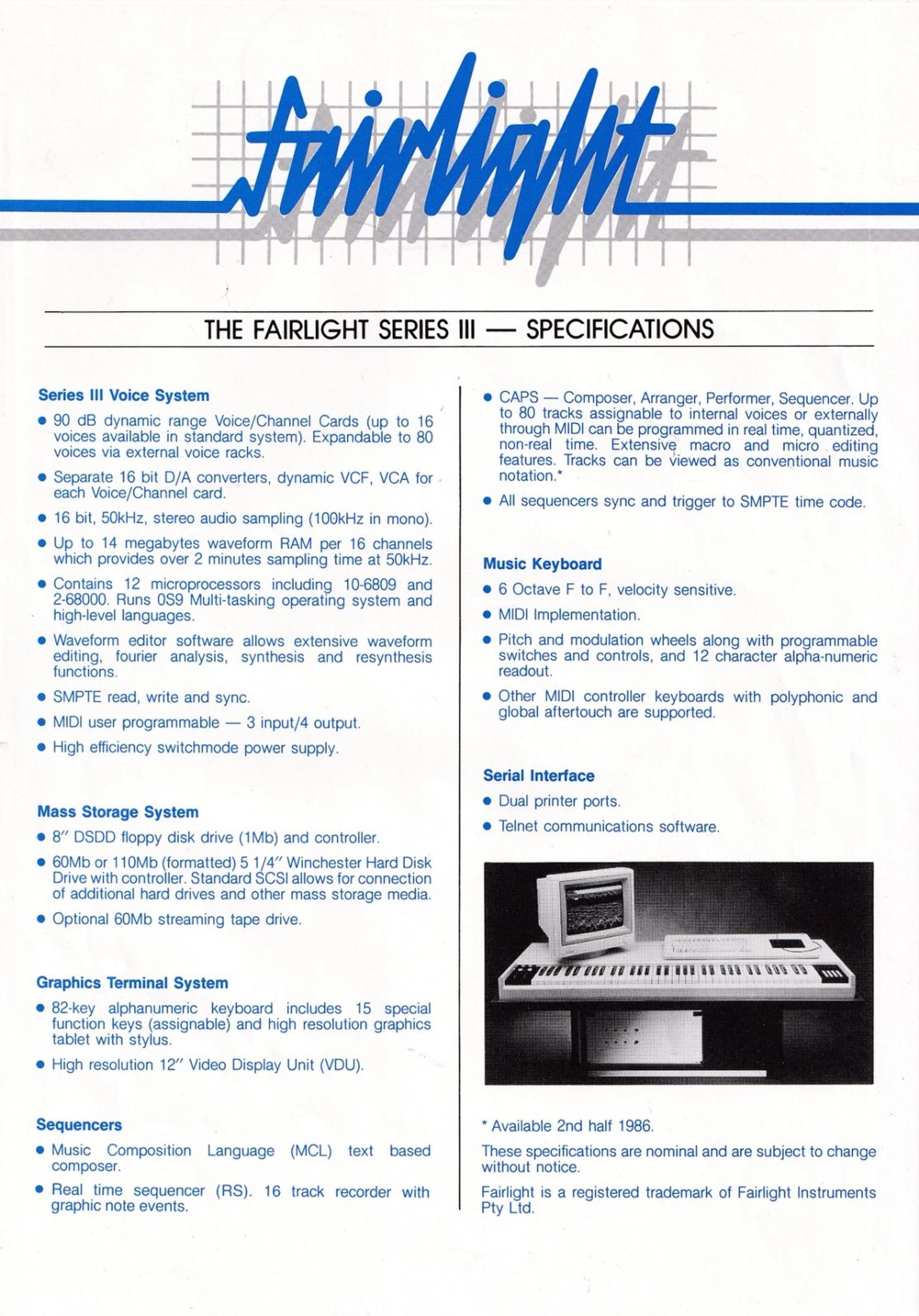
And then there's CAPS — the Composer, Arranger, Performer, Sequencer. Look at the bottom of that spec sheet and you'll find the asterisk: "Available 2nd half 1986." It was the headline feature, promised up front, and it was late.
Which produced my favourite thing in the whole archive. Somebody in the Fairlight office drew this.

When it did arrive it could run eighty tracks, understood repeats and first- and second-time bars, and worked like a composer's scorepad. Cris's verdict, decades later: a great sequencer that almost nobody used.
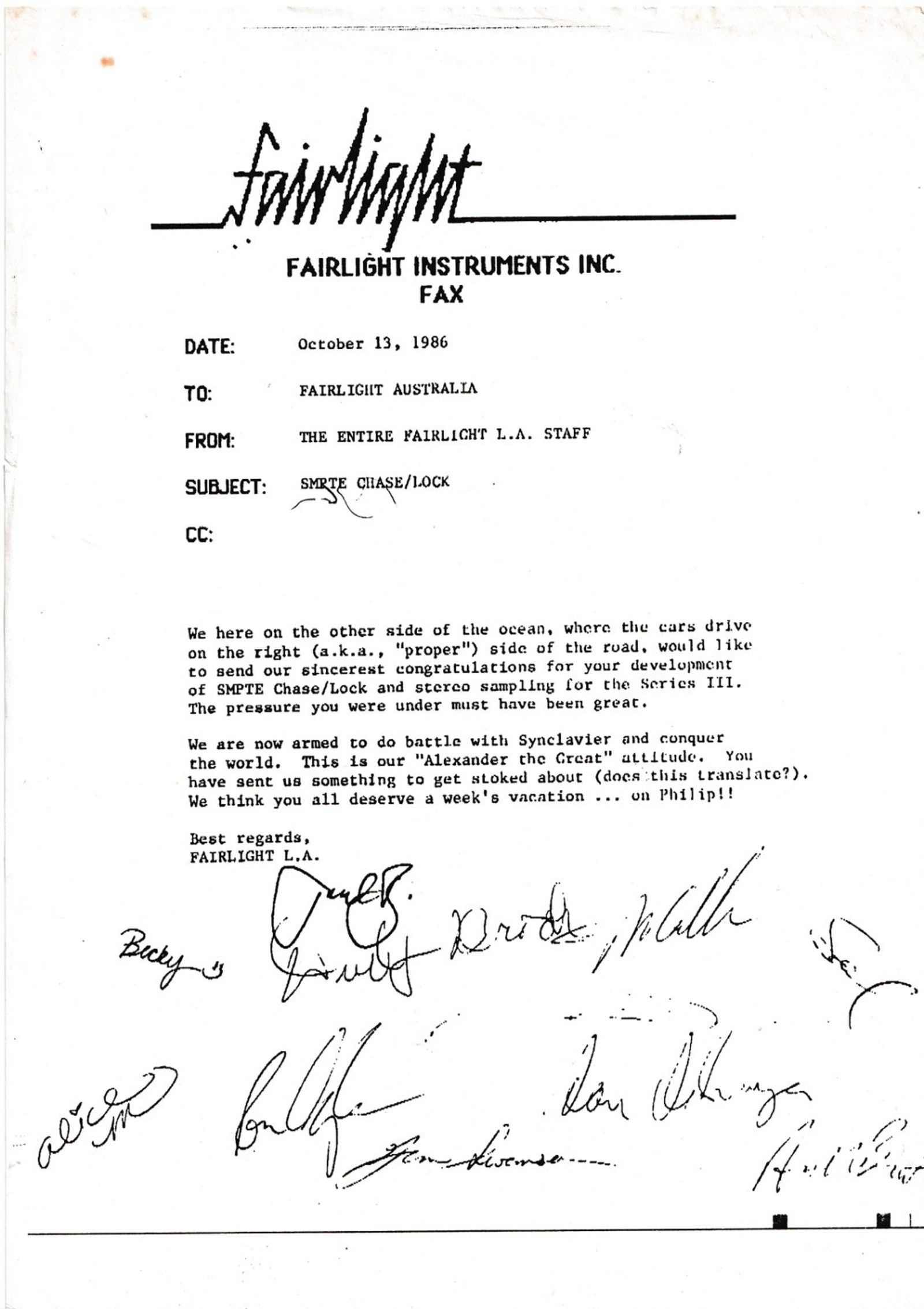
The other long-awaited features landed around the same time. This fax went from the Los Angeles office to Sydney in October 1986, signed by the entire LA staff, to say thank you for SMPTE chase/lock and stereo sampling — and to declare themselves ready to take on the Synclavier.
11. Why was it so expensive? (It cost as much as two apartments!)
Because almost nothing about it was off-the-shelf.
In an era when many signal paths were analog, digital noise was a real enemy. So Fairlight used the best components money could buy to push down the noise floor and achieve a signal-to-noise ratio that was, frankly, astonishing for the time. The switches were military-grade. The cards weren't ordinary PCBs — they were gold. The power supplies were enormous, pushing 30–40 amps of five-volt power to all those boards. What they learned doing it later went into the MFX3, which had a remarkable dynamic range.
Then multiply by the fact that the machine contained 20–30 separate cards, each effectively its own computer, at a time when a single computer was a serious expense. Add the RAM — and remember, 16KB of RAM in 1979 was a lot of memory.
For perspective, put a Series III next to the computers people actually owned in 1985: a Macintosh had about a megabyte, an Amiga shipped with 256KB, and having a full megabyte was something you bragged about. The Series III could be filled with fourteen megabytes of waveform RAM alone.
It all adds up. The Fairlight wasn't expensive because of greed. It was expensive because it was built like nothing else on earth.
12. What happened after the CMI? The MFX, the 24-track, and the EVO
The Fairlight story doesn't stop at the sampler. Later Series III machines gained a built-in audio recorder, which grew into a multi-track recorder — and Fairlight were the first to get a 24-track recorder running off a single SCSI drive. That became control surfaces, then audio recorders, then those big consoles.
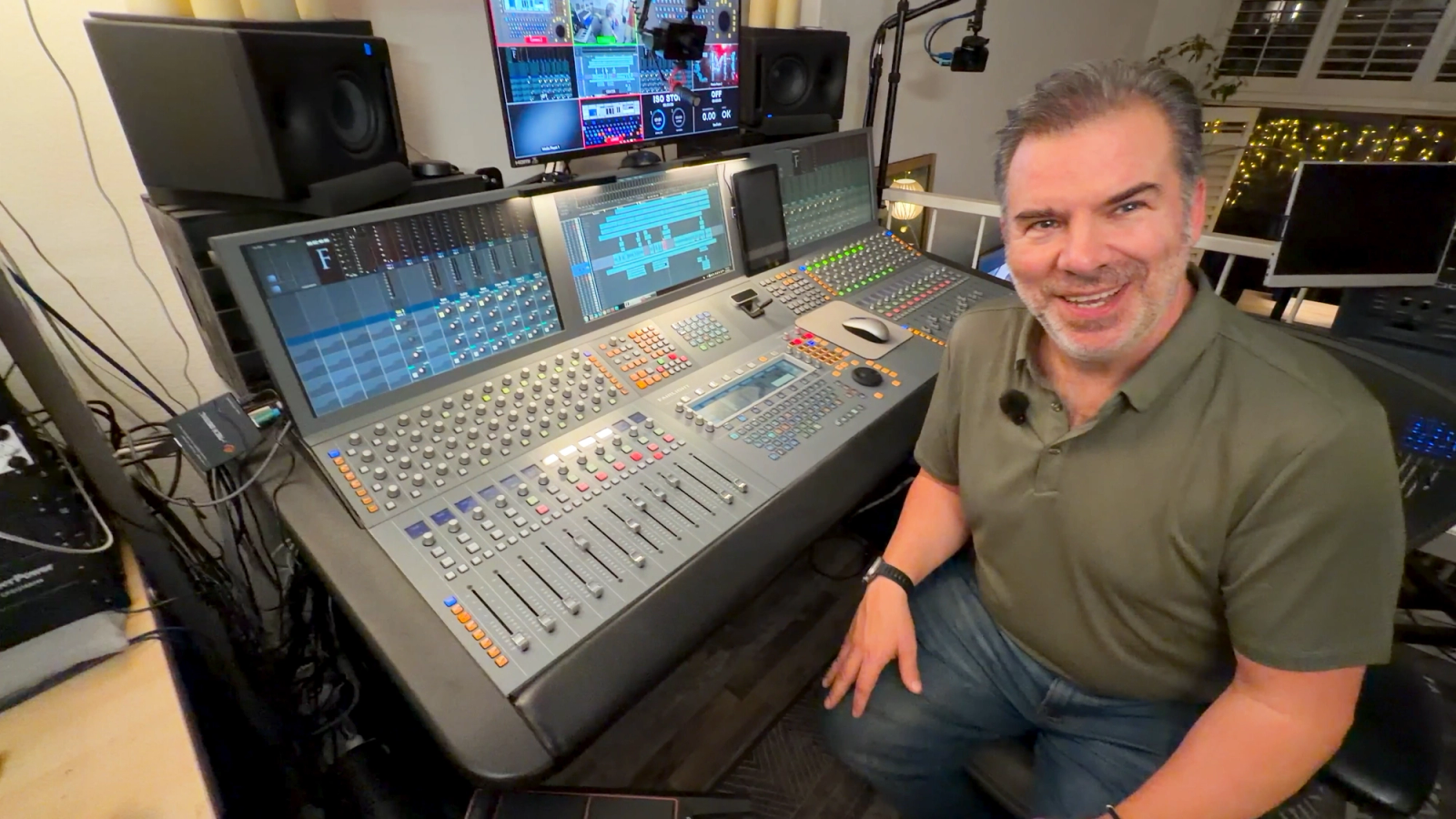
The last evolution is the EVO, sitting downstairs at Cris's place. Every button on it has its own tiny screen and is individually addressable — his own comparison is a Stream Deck, years early. In setup mode the buttons are setup functions. Switch to editing and the same buttons become cut head, cut tail, copy, erase. You move around the console instead of moving a pointer; Cris says he hardly touches the mouse.
And yes, we made him do the shuttle. Scrubbing tape-style through audio on that jog wheel is its own form of music.
13. Could this really be Ryuichi Sakamoto's Fairlight?
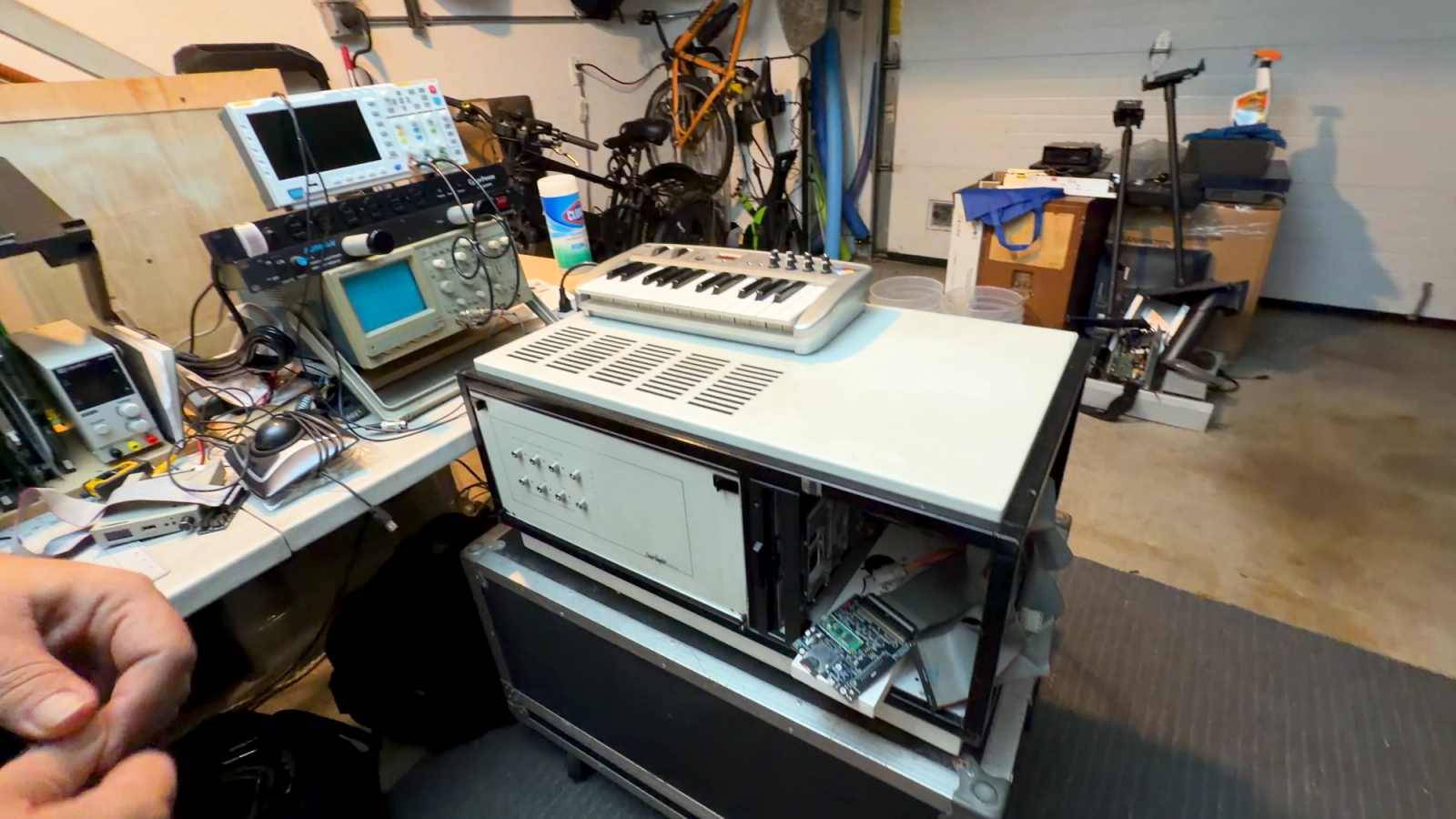
We end on a mystery. Down in Cris's workshop sits a Series III with serious history — hammer marks in the casing, a flight case so old the foam had turned to goo (when he lifted the machine out, every panel fell off it like a clown car), and the distinction of being only the 45th CMI Series III ever made. An extremely early machine, so early it doesn't even have a VGA output — only composite video, out the back.
It was built in June 1985, and the date stamped on it is a Japanese import date, which means nothing at all until you look it up. It carries two megabytes of memory and tops out at 14MB. The voice cards run two voices each, so it's a 16-voice machine, and there's a stereo sampling card in there too. The handsome keyboard sitting next to it, incidentally, isn't part of the Fairlight at all.
So how could it be Sakamoto's?
Because on a Fairlight, the hardware and software are so tightly interdependent that you can identify exactly which software a machine could run from the hardware itself — the dates, the import records, the serial number. Cris has a photograph of Sakamoto working at a CMI, his reflection caught in the monitor glass, and the specific software version visible in that image only ran for a very short window of time. It's the same version running on this machine. Every road, as Cris says, seems to point toward it.
It's not confirmed yet. It might not be. But it just might be the very machine.
Merry Christmas, Mr. Lawrence indeed.
Coming next in this series
More of the archive. Freshwater Instruments in Australia opened their files to us — original documents, scans and photographs of the Fairlight that have never been published anywhere, some of which you can already see above. Every scan and photograph in this article comes from them, and we're releasing the lot in full resolution, right here.
Subscribe to the channel so you catch each episode.
Go deeper
The documents and photographs throughout this article come from the archive at Freshwater Instruments, who made them available for the series. Huge thanks to Cris Blyth for opening up his collection and his encyclopaedic knowledge. If you want to go further down the Fairlight rabbit hole — restorations, deep technical dives, and more history than you'll find anywhere else — go subscribe to his channel. There genuinely isn't a better source.
Download the archive
Every document and photograph in this article is yours, at full resolution. Twenty-four files — the Series III brochure and specification sheet, the internal office material, the 1975 QASAR schematic — in one folder, with the folder structure intact and nothing watermarked.
You will also get the rest of the series as each episode lands.
— Claudio / Doctor Mix
From the Doctor Mix shop