I Split "Big in Japan" Into Stems and Found Things Nobody's Heard

Alphaville's Big in Japan is one of those eighties records everybody thinks they know. I wanted to remix it, and to remix it properly you need the parts, not the finished mix. So the first job was pulling it apart into stems with LALAL.AI, who support this channel.
What came out of those stems surprised me.
Splitting the track
LALAL.AI does a lot more than vocal removal these days: a stem splitter, voice cleaner, echo and reverb remover, lead and backing vocal splitter, voice changer. You can drop files straight into the browser, or do what I do and use the desktop app. The thing I like most is that they don't use one model for everything. Each job gets its own model, trained for that task.
The newest one is called Lyra, and it runs on your own computer. No uploading, no data centre, no internet connection. I isolated the vocal in real time, brought the drums back in, then the bass, then muted the drums and listened to everything else, all live. If your machine isn't very powerful, you just raise the latency setting and it still runs locally.
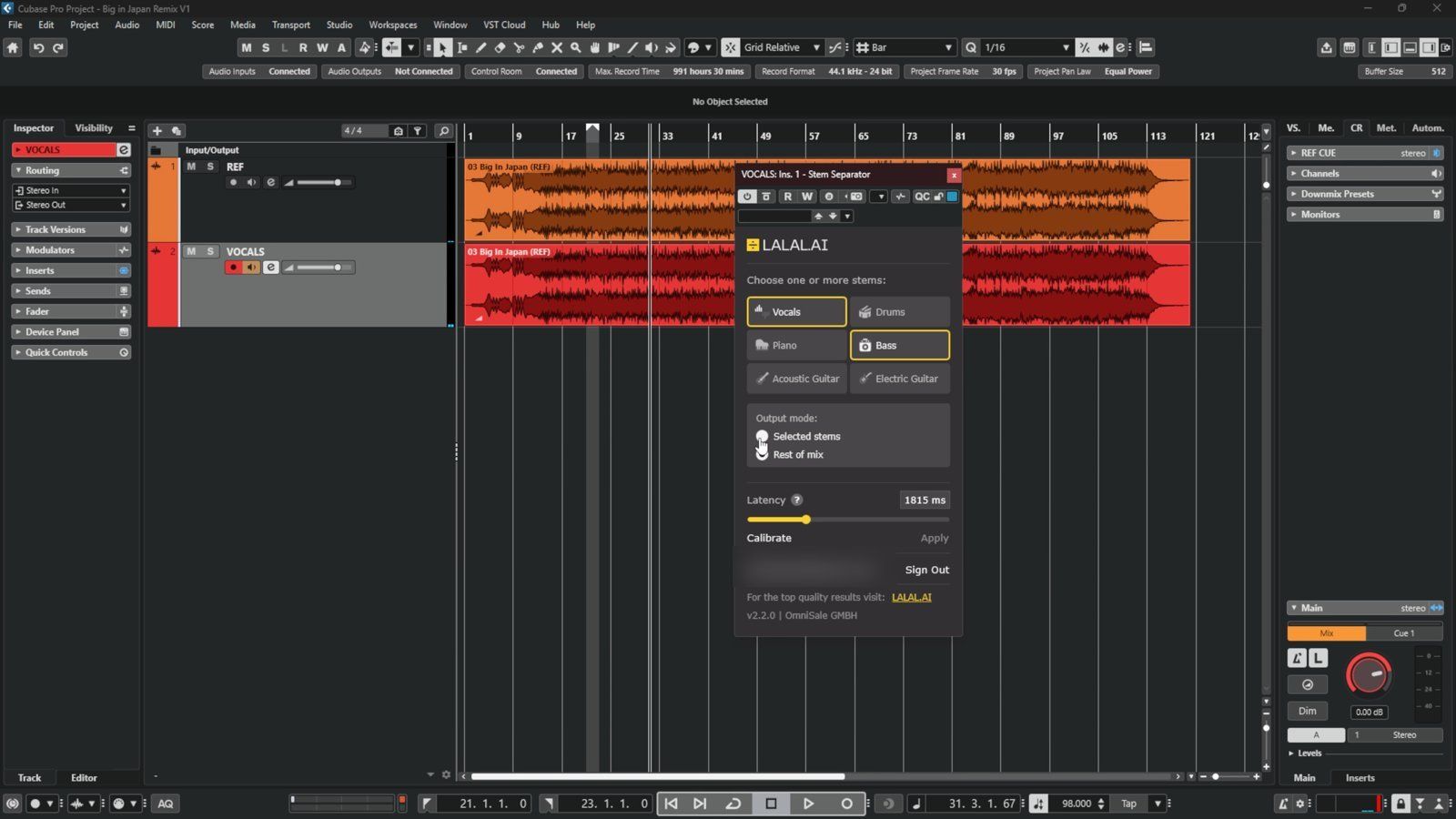
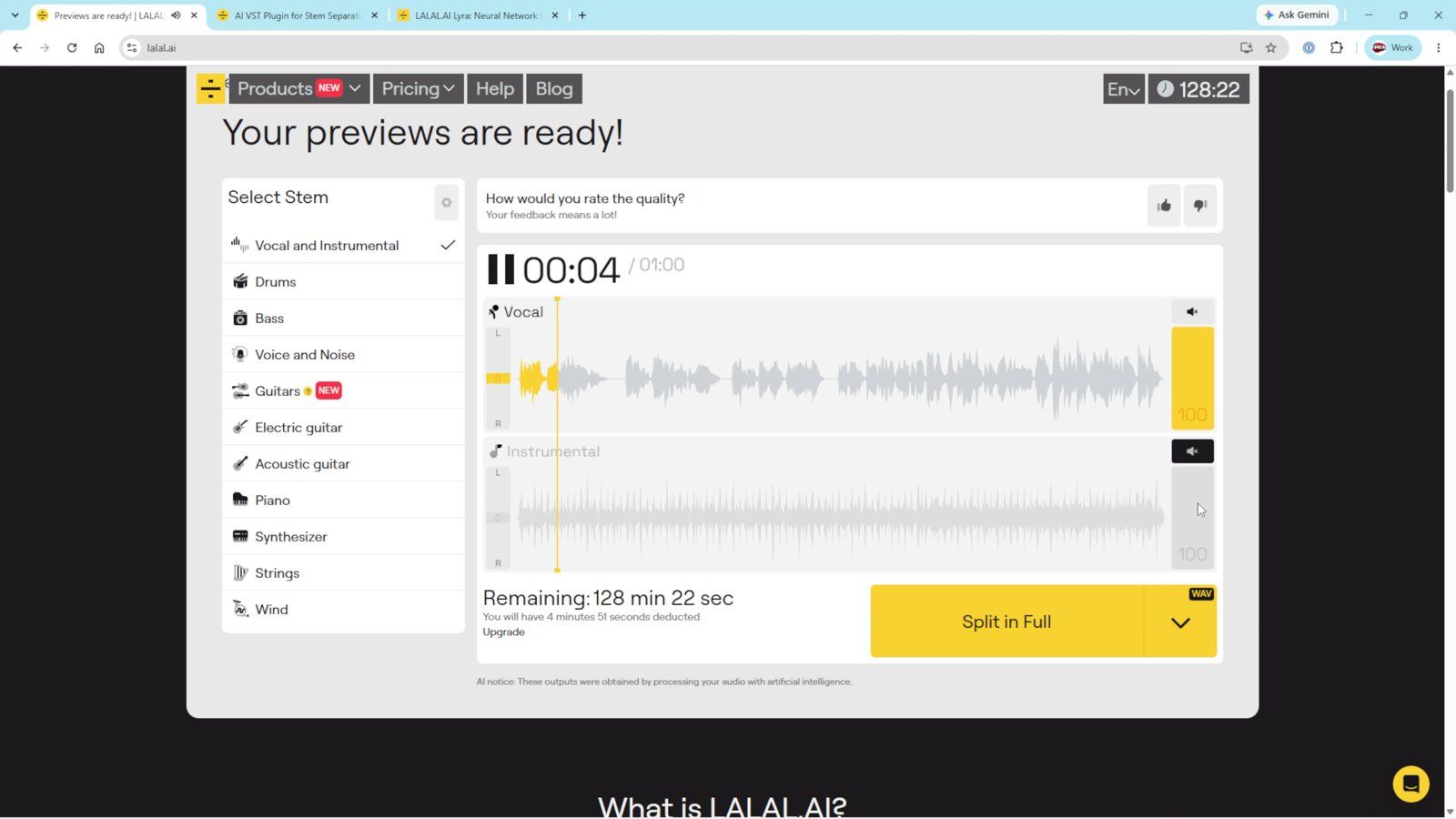
For the remix itself I used their Andromeda model on the full file. I opened the reference track, waited a moment, and it was done. Then I isolated the bass too.
What was hiding in the mix
This is where it gets interesting. Soloed, each stem tells you something the record never did.
- The backing vocals. There's a powerful, quite complex vocal harmony underneath the chorus that I had honestly never heard. In the original it's buried in the mix. On its own, it's gorgeous.
- The bass. I always assumed it was a simple line. It isn't. It's playing two notes a fifth apart.
- The synths. With drums, bass and vocal gone, you get just the synthesizer layer, and you can hear how much of the song lives in it.

Finding the tempo
I imported the stems I needed into Cubase: vocals, synths, drums (which I wasn't sure I'd keep) and bass. I set the stems to the song's original tempo and switched them to Musical Mode, so they follow the project tempo when I change it.
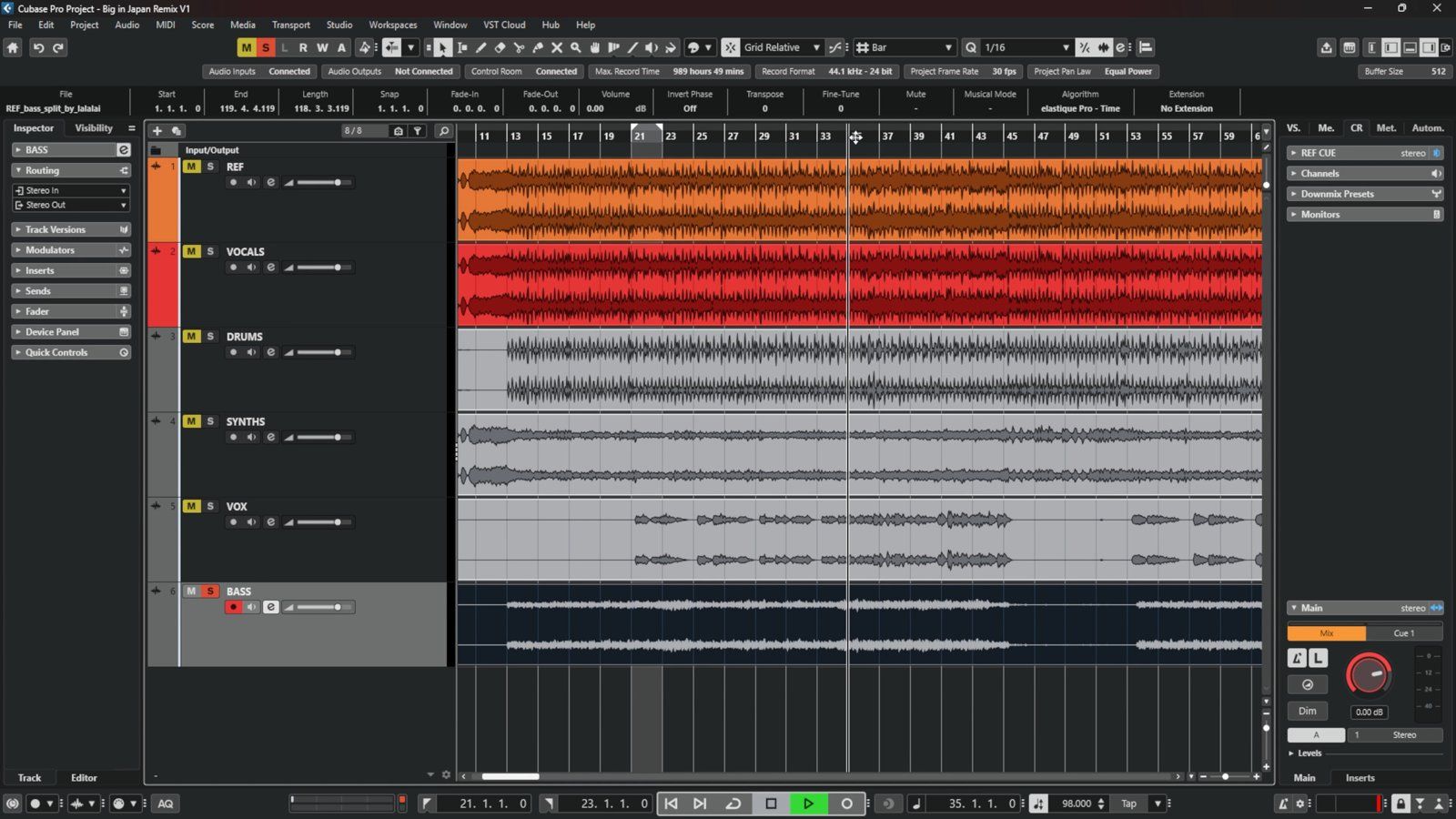
Then I went looking for house. I wanted something a bit deep, because this is a synth-led song and it can take it. So I muted everything except the vocal and pushed the tempo up to find the limit. At 124 BPM the vocal starts to break up. 122 was the sweet spot.
I also decided early on that the chords would need simplifying. House doesn't like too many harmonic changes under the bass. You want something steady that builds and keeps people moving.
Building a shaker out of noise
I started with the mood: a shaker pattern that would sit under everything and that I could build hi-hats on top of. I wanted it properly electronic, so it wasn't a real shaker at all.
- In Battery I loaded a big noise sample, a down-lifter, and wrote a 16th-note pattern for it.
- I shortened the sound drastically and took out most of the decay.
- The noise changes over time, so the trick is finding the right start point in the sample. That's where the character of the hit comes from.
- I filtered out some low end, worked on the attack, and tuned it up to make it brighter.
- Because the attack adds a tiny bit of delay, I nudged the part slightly earlier so it doesn't feel late.
Then I duplicated it, used the accents to make a second, brighter layer, and gave both some expression. The first hit of each group is slightly quieter, the next one hits. It's a small velocity change, but it's what makes the pattern feel like a groove instead of a loop.
Choosing the kick
For the kick I loaded a selection of my favourite house kicks into Battery and auditioned them one by one against the vocal. That's the test: not which kick sounds best on its own, but which one sits with the song. Then I tuned it and shortened it.
The balance between kick and hats is what gives a house track its movement. I went back to the shaker more than once and changed its start point again, because it was sounding a bit too much like plain noise. By that point they were behaving more like hi-hats than shakers anyway. I added an open hat with a bit more attack and a shorter decay, and the groove locked in.
The rest of the arrangement
From there it's arrangement, and in the video it goes by as a time-lapse. If you want to watch every step of how I built the rest of the remix, the full session is on Patreon.
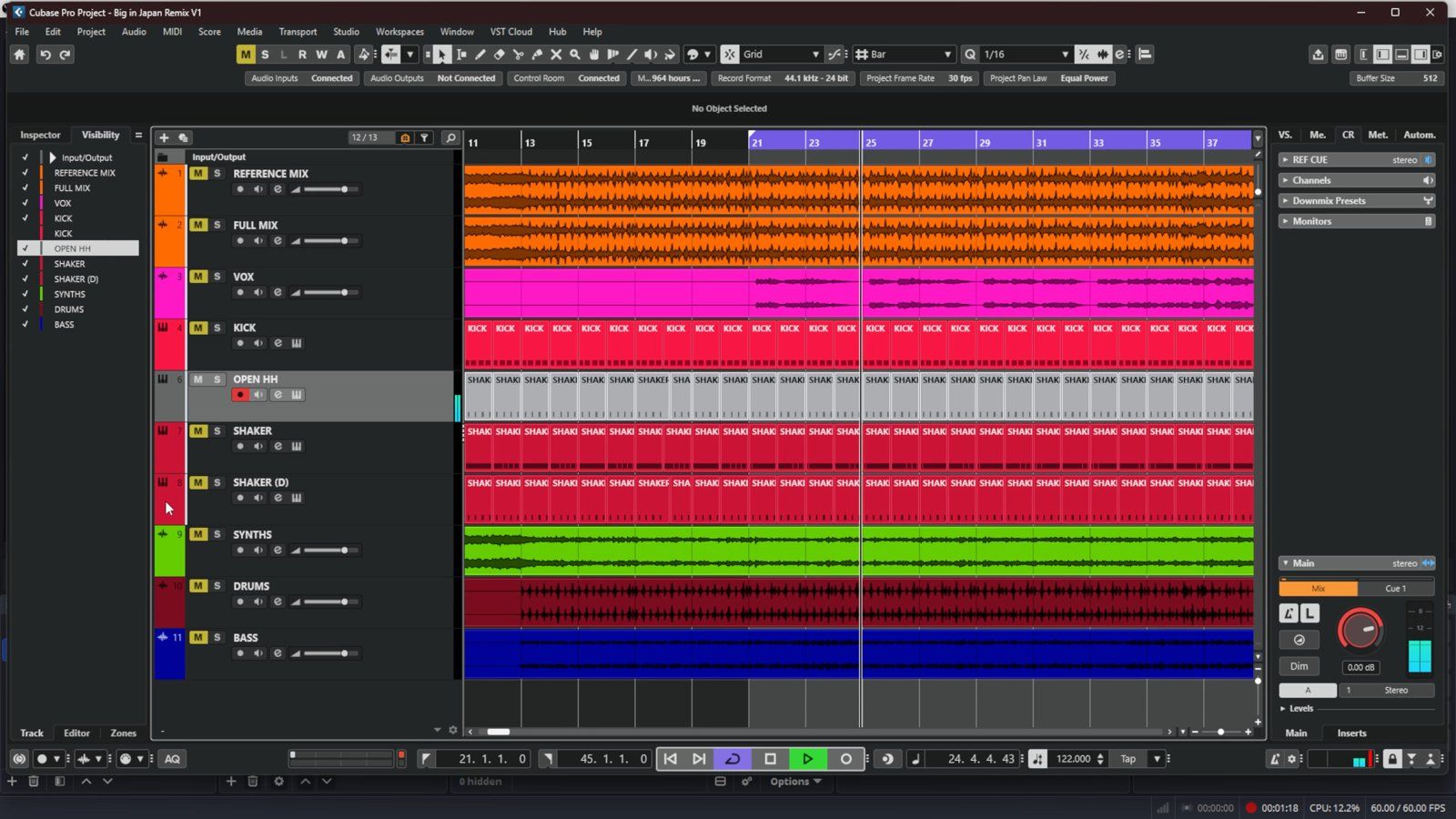
If you want to make tracks like this yourself, my course How To Produce House Music is the place to start. And if you'd rather practise mixing on real multitracks, have a look at our sound packs and multitracks.

Go and check out LALAL.AI. Then put some club glasses on and play the remix loud.
From the Doctor Mix shop