

Mixing and mastering for vinyl: what actually changes (and what doesn’t)
Yes, we absolutely love records. We keep pressing them, releasing them… and I swear they smell fantastic. 🙂
The good news is this: there are no huge, mysterious “vinyl-only” rules that change everything. If your mix is tasteful and balanced, you’re already most of the way there.
That said, vinyl does have a few physical limitations that are worth keeping in mind while you mix and master — because ignoring them can lead to weaker cuts, distortion, or your low end being altered at the mastering stage.
The 3 vinyl realities you should plan for
1) No stereo bass (vinyl really doesn’t like it)
Because of the physics of how a record is cut, vinyl doesn’t play nicely with wide, stereo low end. This is why mastering engineers usually collapse the low end into mono before cutting.
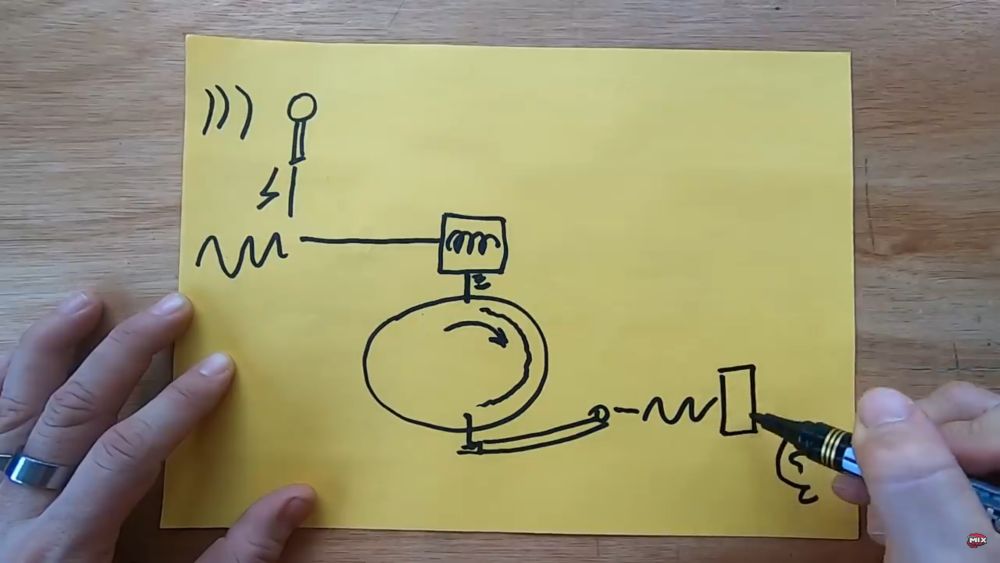
So what does that mean for you?
- If you pan your bass hard left or right, the low end will likely end up in the centre anyway.
- If your bass is stereo, the mids and top might stay wide, but the deep low end will be summed to mono.
- This doesn’t only affect bass guitars or synth bass — it also applies to kick drums and any other low-end-heavy instrument.
Practical tip: if you want your vinyl cut to translate cleanly, aim for a solid mono foundation down low. Save the width for the mids and highs where it actually works.

2) Loudness: vinyl likes a bit of dynamic range
Chasing ridiculous loudness is rarely a good idea, but it’s especially unhelpful for vinyl. A vinyl cut benefits from a master that isn’t ultra-slammed.
- More dynamics generally cuts better and sounds more open.
- Over-limiting can make the cutter’s job harder and the result less punchy.
Practical tip: master for punch, clarity, and movement — not maximum level. Vinyl rewards taste.
3) Length: every format has a maximum (and “max” isn’t always “best”)
Vinyl sides have time limits, and those limits depend on the format:
- 7”, 10”, or 12” records
- 33 RPM versus 45 RPM
You can often squeeze more minutes onto a side, but using the maximum time tends to reduce loudness and can compromise quality. In practice, staying below the optimal time usually gives you a better-sounding record.
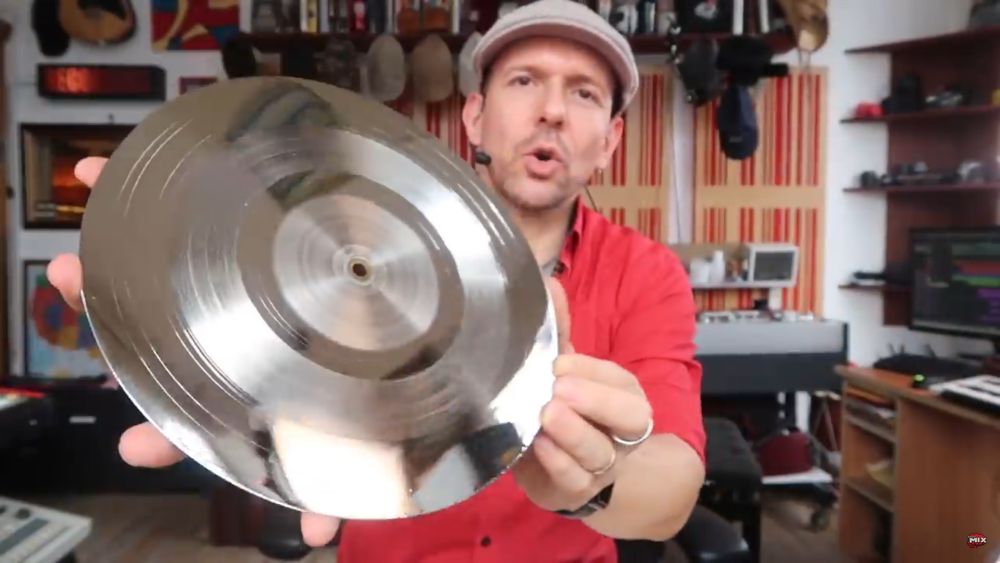
Practical tip: decide your format early, then plan your side lengths so you’re not forced into compromises later.
Quick checklist before you send a project to vinyl
- Keep deep low end mono (bass, kick, subs).
- Don’t crush the master — leave some dynamics.
- Make sure your side lengths make sense for your chosen format.
- When in doubt, talk to your mastering engineer.
Want to press vinyl?
If you want to press records today, check out companies like GZ Media. In the US, key players include United Record Pressing. In the UK, The Vinyl Factory is a strong option, and across Europe, presses like Germany’s Pallas have an excellent reputation.
Want to get better at mixing?
If you want to go deeper on mixing, check out “The Official Guide To Mixing”, our step-by-step 24-part video course on how to achieve a professional sound for your music.
As always: be inspired, be tasteful, and make great music.